What is DeFi on the XRP Ledger?
XRPL DeFi is decentralized finance that runs on features of the XRP Ledger protocol instead of smart contracts: an order book exchange since 2012, AMM liquidity pools since 2024, plus escrow, checks and payment channels. Lending and vaults are proposed amendments that were not live on mainnet as of 6 November 2026.
Por Rho Black · · 4 min de lectura
Why XRPL DeFi has no smart contracts
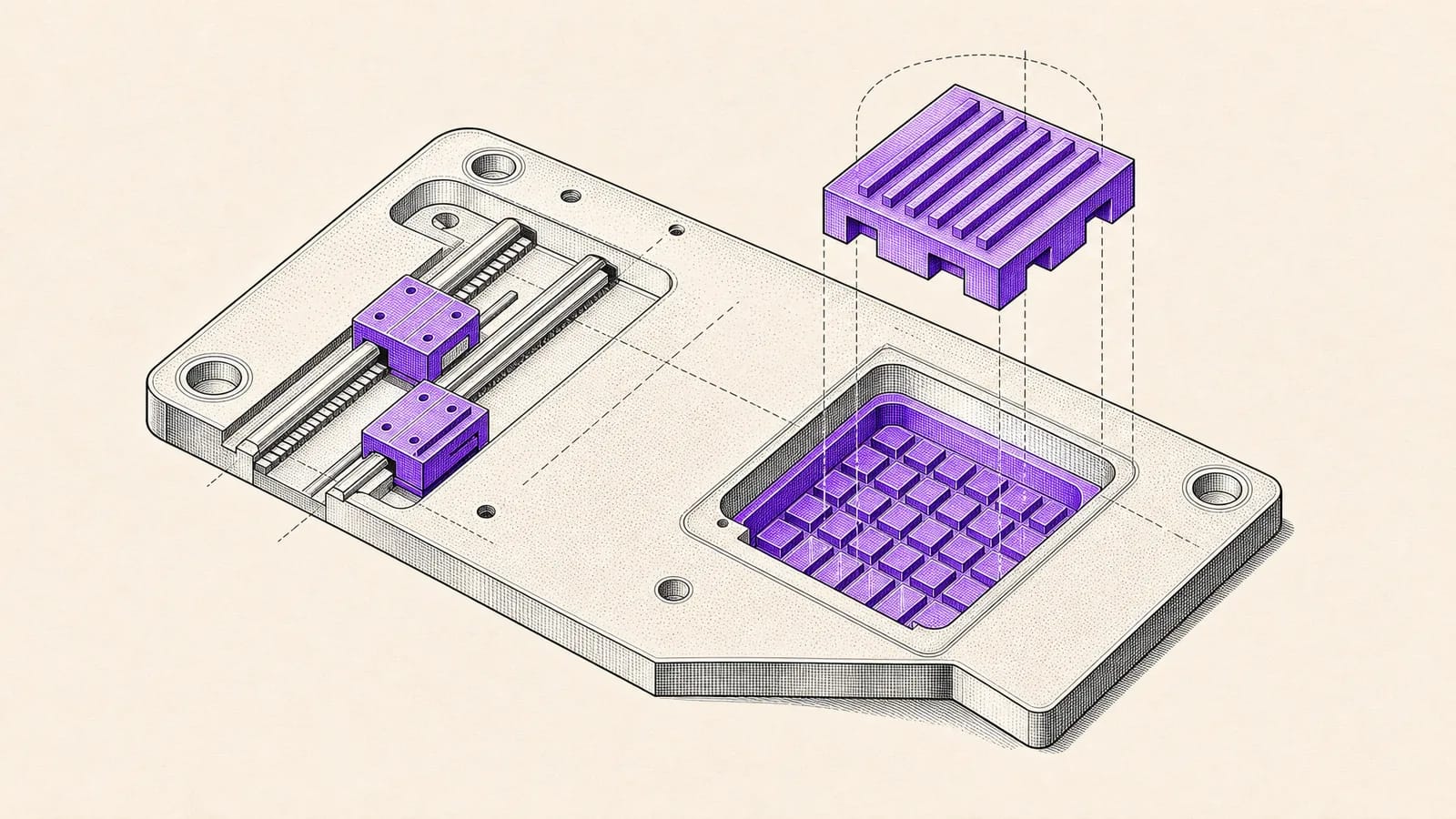
On Ethereum and most other chains, DeFi apps are smart contracts: code that a team writes and deploys, and that holds your funds while you use it. The XRP Ledger works differently. Its exchange, liquidity pools and escrow are transaction types in the ledger software, the same code every server on the network runs.
- Your assets stay in your own account. A buggy or dishonest app cannot drain a contract full of user funds, because there is none.
- Every wallet and app trades on the same public order books and the same pools, so liquidity is not split between rival copies.
New features arrive as amendments: changes to the ledger software that go live only after more than 80% of trusted validators, the independent servers that confirm each new ledger, have supported them for two weeks. That is why the XRP Ledger changes slowly, and why it cannot do everything. You cannot deploy your own lending market or derivatives app on it today; you use what the protocol offers.
What you can do on the XRP Ledger today
| Feature | What it does | Live since |
|---|---|---|
| Order book exchange (DEX) | Market and limit orders between XRP and tokens, or between two tokens, from your own wallet | 2012 |
| AMM pools | Swap against pooled liquidity, or provide liquidity and earn trading fees | March 2024 |
| Escrow | Locks XRP (and, since February 2026, tokens) until a date or a condition is met | March 2017 |
| Checks | A payment the recipient cashes later; the funds are not set aside in advance | June 2020 |
| Payment channels | Many tiny XRP payments, settled together later | March 2017 |
| Multi-Purpose Tokens | A newer token type with rules set by the issuer; not tradable on the DEX or in pools yet | October 2025 |
| Permissioned DEX | Order books open only to accounts with an approved credential | February 2026 |
| Batch transactions | Up to eight transactions signed and submitted as one | October 2026 |
How trading works
When you swap or place an order, the ledger fills it from the order book, from an AMM pool, or from both, whichever is cheaper. Orders between two tokens can also route through XRP when that gives a better rate, which is called auto-bridging.
- The network adds a new ledger every 3 to 5 seconds. Once the ledger with your trade is confirmed, the trade is final.
- Each transaction destroys a small fee, normally 0.00001 XRP. Nobody collects it.
- Every account must keep some XRP it cannot spend, called the reserve: 1 XRP for the account itself, plus normally 0.2 XRP for each open order or trustline. You get the 0.2 XRP back when the order fills or you cancel it, or when you remove the trustline.
To hold a token you first set a trustline for it, which tells the ledger your account accepts that token, up to a limit you choose. Read what a trustline is before you trade one.
Ways to earn
| Method | Return from | Main risk |
|---|---|---|
| AMM liquidity | Trading fees from swaps through the pool | Impermanent loss |
| AMM liquidity plus XPM farming | Trading fees plus XPM rewards | Impermanent loss, the XPM price |
| Market making with orders | The spread between your buy and sell orders | A sharp price move fills your orders on the losing side |
Impermanent loss is what a pool share loses against holding the same assets when their prices drift apart; the AMM pools guide works it through with real numbers. XPM farming pays XPM, XPMarket’s own token, on eligible pools on top of their fees. XRP itself cannot be staked; see can you stake XRP for what is sold under that name.
What is not live yet
Lending and borrowing are the biggest gap. Two amendments would add them: a lending protocol and single-asset vaults, which pool one asset for lending. On 6 November 2026 neither was enabled: validator support stood at about 60% and 66%, against a threshold of more than 80%.
The XRP Ledger mainnet also has no general smart contracts. To use XRP in contract-based DeFi you move it to another chain, such as the XRPL EVM Sidechain, a separate network live since June 2025 where XRP pays the network fees, or Flare, which issues wrapped XRP: a token backed by real XRP held somewhere else. That adds the risk of the bridge that holds your real XRP and of every contract you then use.
Risks to know
- Token risk: a token is only worth what its issuer stands behind, and some issuers can freeze their tokens or claw them back, even from a pool.
- Protocol risk: built-in features can still have bugs. Three weeks after AMM pools launched, an amendment fixed a bug in how the ledger handled some large pool trades.
- Bridge risk: wrapped XRP on another chain is only as safe as whoever holds the real XRP.
- Phishing: fake sites copy real apps and ask you to sign a transaction that hands over your funds.
Getting started on XPMarket
- Get a self-custody XRP Ledger wallet such as Xaman and send XRP to it from your exchange, with a small test amount first. If the exchange’s withdrawal form asks for a destination tag, leave it blank: your own wallet does not use one. A new account needs 1 XRP as its reserve before it can do anything.
- Connect the wallet to XPMarket. You sign every transaction in the wallet, and XPMarket never holds your funds.
- Set a trustline for any token you want to hold.
- Swap tokens, or place market and limit orders on the DEX.
- Add liquidity to an AMM pool to earn trading fees.
Siguiente paso · Intercambio
Swap XRPL tokens from your own wallet.
Routed across the order book and AMM pools for the best rate.
Preguntas frecuentes
What is XRPL DeFi?
Trading, liquidity pools, escrow and payments on the XRP Ledger, done from your own wallet. You trade against one shared set of order books and one pool per pair, with no exchange company or third-party contract holding your funds.
How is XRPL DeFi different from Ethereum DeFi?
Ethereum DeFi is many smart contracts written by different teams. On the XRP Ledger the exchange and pools are part of the protocol, so there is no outside contract to trust and public liquidity sits in one place. In exchange, you can only use what validators have enabled.
Is DeFi on the XRP Ledger safe?
In one respect, yes. No app contract holds your funds, and you sign everything in your own wallet. The ledger code can still have bugs, which amendments fix, and the everyday risks remain: the tokens you hold, price moves, impermanent loss if you provide liquidity, and phishing sites that copy real apps.
Can I lend or borrow XRP on the XRP Ledger?
Not natively yet. A lending protocol and single-asset vaults are proposed amendments, and on 6 November 2026 neither had the support of more than 80% of trusted validators needed to go live. Lending with XRP today happens on exchanges or on other chains with wrapped XRP.
Do I need XRP to use XRPL DeFi?
Yes. The ledger makes every account keep 1 XRP it cannot spend, plus normally 0.2 XRP for each trustline or open order, and every transaction destroys a small XRP fee.
Fuentes
- XRPL.org: Decentralized Exchange
- XRPL.org: Automated Market Makers
- XRPL.org: Escrow
- XRPL.org: Checks
- XRPL.org: Payment Channels
- XRPL.org: Known Amendments
- XRPScan: Amendment voting
- Ripple: XRPL EVM Sidechain mainnet is live
Los enlaces a XPMarket llevan a productos propios de XPMarket. XPMarket no custodia fondos: firmas cada transacción en tu propio monedero. Esta guía es educativa y no constituye asesoramiento financiero.
Sigue leyendo
How do XRPL AMM pools work?
How XRP Ledger AMM liquidity pools work: LP tokens, trading fees and fee voting, the auction slot, impermanent loss and how to add liquidity.
6 min de lectura · Actualizado el 23 nov 2026
What is the permissioned DEX?
How the XRP Ledger’s permissioned DEX works: credentials, domains, open, permissioned and hybrid offers, and what it cannot do.
5 min de lectura · Actualizado el 23 nov 2026