
XRP Ledger의 유동성 풀 & AMM
유동성을 제공하고, 거래 수수료를 적립하고, 탈중앙화 거래를 구동하세요 — XRPL 프로토콜에 네이티브로 구축된 AMM 풀을 통해
XRPL에서 유동성을 제공하는 방법
AMM 풀에서 수익을 시작하는 3단계
1
지갑 연결
Xumm과 같은 XRPL 지갑을 연결하여 시작하세요. 지갑은 자산에 대한 완전한 보관권을 제공합니다 — 토큰은 XPMarket에 보관되지 않습니다. 풀에 예치하려면 XRP와 두 번째 토큰이 필요합니다.
2
풀 선택
XPMarket의 상위 AMM 풀을 둘러보며 전략에 맞는 페어를 찾으세요. 자산을 투입하기 전에 거래량, 총 유동성, 수수료 수익을 비교하세요.
3
유동성 추가
두 자산을 동일한 가치로 풀에 예치하세요. 풀 지분을 나타내는 LP 토큰을 받게 됩니다. 거래자가 풀을 통해 스왑할 때마다 모든 거래 수수료의 비례 지분을 적립합니다.
상위 AMM 풀 둘러보기
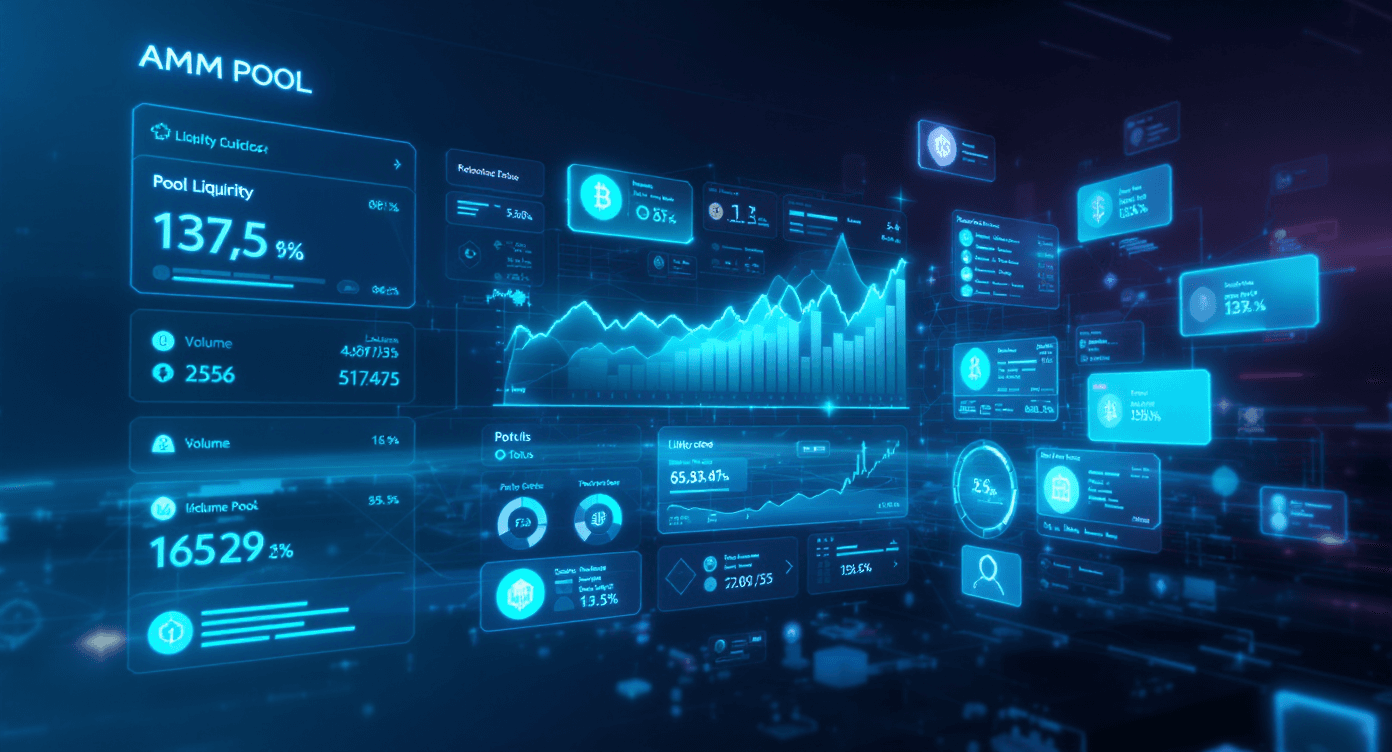
XPMarket은 XRP Ledger의 모든 AMM 풀을 추적합니다. 유동성 깊이, 24시간 거래량, 수수료 수익을 비교하여 최적의 기회를 찾으세요 — 실시간 업데이트됩니다.
XRPL에서 유동성을 제공해야 하는 이유
수동적 수수료 수익
풀을 통과하는 모든 거래에서 수수료가 발생합니다. 유동성 공급자로서 자동으로 비례 수수료 지분을 적립합니다 — 스테이킹, 잠금, 수령 절차가 필요 없습니다.
완전 온체인
XRPL의 AMM 풀은 프로토콜 자체에 구축되어 있습니다. 모든 예치, 인출, 거래가 완전한 투명성으로 온체인에 기록됩니다. 스마트 컨트랙트 리스크도, 중개인도 없습니다.
프로토콜 수준 보안
다른 체인의 스마트 컨트랙트 기반 AMM과 달리, XRPL의 AMM은 네이티브 원장 기능입니다. 2012년부터 XRP Ledger를 보호해 온 동일한 합의 메커니즘과 보안 모델의 혜택을 받습니다.
XRPL 유동성 풀 완벽 가이드
유동성 풀은 탈중앙화 거래를 가능하게 하는 프로토콜에 잠긴 두 자산의 준비금입니다. 전통적인 오더북을 통해 매수자와 매도자를 매칭하는 대신, 유동성 풀은 자동 시장 조성자(AMM)라는 수학적 공식을 사용하여 환율을 계산하고 즉시 스왑을 실행합니다. 풀에 자산을 예치하는 모든 사람은 유동성 공급자가 되어 모든 스왑에서 발생하는 거래 수수료의 일부를 적립합니다.
XRP Ledger에서 AMM 풀은 스마트 컨트랙트를 통해 프로토콜 위에 구축된 것이 아니라 원장 자체의 네이티브 기능입니다. 이는 중요한 차이점입니다. 이더리움이나 솔라나 같은 네트워크의 스마트 컨트랙트 AMM은 계약 코드의 위험(버그, 익스플로잇, 업그레이드 취약점)을 물려받습니다. XRPL의 AMM은 모든 XRP 거래를 보호하는 동일한 합의 메커니즘으로 검증되는 프로토콜 수준에서 작동합니다. 결과적으로 탈중앙화 유동성을 위한 더 예측 가능하고 안전한 기반을 제공합니다.
XRPL에서 유동성을 제공하는 것은 토큰 페어를 선택하는 것에서 시작됩니다. 각 풀은 두 자산(예: XRP와 커뮤니티 토큰)으로 구성됩니다. 풀에 예치할 때 두 자산을 동일한 가치로 기여하고 그 대가로 LP(유동성 공급자) 토큰을 받습니다. 이 LP 토큰은 풀에서 귀하의 비례 지분을 나타냅니다. 거래자가 DEX에서 토큰을 스왑할 때 각 거래에 소액의 수수료가 부과되고 지분에 따라 모든 유동성 공급자에게 분배됩니다. 풀이 더 많은 거래량을 창출할수록 공급자가 더 많은 수수료를 적립합니다.
비영구적 손실은 유동성을 제공하기 전에 이해해야 할 주요 위험입니다. 풀의 두 자산 간 가격 비율이 크게 변하면 포지션의 가치가 두 자산을 단순히 보유했을 때 얻었을 수익과 달라질 수 있습니다. 이 용어는 다소 오해의 소지가 있습니다 — 가격 비율이 여전히 변동된 상태에서 인출해야만 손실이 영구화됩니다. 가격이 원래 비율로 돌아오면 손실은 사라집니다. 특히 거래량이 많은 풀에서는 거래 수수료 수익이 시간이 지남에 따라 비영구적 손실을 상쇄할 수 있습니다.
XPMarket은 자본을 투입하기 전에 풀을 평가하기 쉽게 만들어 줍니다. AMM 풀 대시보드는 XRP Ledger의 모든 활성 풀에 대한 총 유동성, 24시간 거래량, 수수료 생성, 과거 성과에 대한 실시간 데이터를 보여줍니다. 밈 코인 크리에이터를 통해 커뮤니티 프로젝트를 시작하든 커스텀 토큰을 구축하든, AMM 유동성을 추가하는 것은 중요한 단계입니다. 인터페이스를 통해 직접 유동성을 예치하고 인출하며, LP 토큰 가치를 추적하고, 수익을 모니터링할 수 있습니다 — 플랫폼을 떠나지 않고 모두 가능합니다. 숙련된 DeFi 참여자이든 크립토 유동성 풀을 처음 탐색하는 분이든, XRPL의 네이티브 AMM은 자산을 효율적으로 활용할 수 있는 투명한 방법을 제공합니다.
자주 묻는 질문
유동성 풀이란 무엇인가요?
유동성 풀은 탈중앙화 토큰 스왑을 가능하게 하는 프로토콜에 보관된 두 자산의 준비금입니다. 개별 매수자와 매도자를 매칭하는 대신, 풀은 공식을 사용하여 환율을 자동으로 계산합니다. 누구나 풀에 자산을 예치하고 스왑으로 발생하는 거래 수수료의 일부를 적립할 수 있습니다.
AMM이란 무엇인가요?
AMM은 자동 시장 조성자(Automated Market Maker)의 약자입니다. 수학적 공식을 사용하여 가격을 설정하고 거래를 실행하는 유동성 풀을 구동하는 메커니즘입니다. XRP Ledger에서 AMM은 스마트 컨트랙트에 의존하지 않고 프로토콜에 직접 구축되어 있습니다.
유동성 풀에서 어떻게 수수료를 적립하나요?
AMM 풀에 자산을 예치하면 지분을 나타내는 LP 토큰을 받습니다. 거래자가 풀을 통해 토큰을 스왑할 때마다 소액의 수수료가 부과됩니다. 이 수수료는 LP 토큰 보유량에 따라 모든 유동성 공급자에게 비례하여 분배됩니다 — 수동 수령 절차가 필요 없습니다.
비영구적 손실이란 무엇인가요?
비영구적 손실은 예치 후 풀의 두 자산 가격 비율이 변할 때 발생합니다. 포지션이 두 자산을 별도로 보유했을 때보다 가치가 낮아질 수 있습니다. 손실은 인출할 때만 확정됩니다. 특히 거래량이 많은 풀에서는 거래 수수료 수익이 비영구적 손실을 상쇄할 수 있습니다.
XRPL에서 유동성 제공이 안전한가요?
XRPL의 AMM은 스마트 컨트랙트가 아닌 네이티브 프로토콜 기능입니다. 이는 다른 네트워크의 스마트 컨트랙트 기반 AMM에 영향을 미치는 계약 버그나 익스플로잇의 위험을 제거합니다. 그러나 비영구적 손실과 토큰 가격 변동과 같은 시장 위험에는 여전히 노출됩니다.
어떤 풀에 유동성을 제공할지 어떻게 선택하나요?
XPMarket AMM 대시보드에서 거래량, 총 유동성, 수수료 생성을 확인하세요. 일일 거래량이 일정한 풀이 더 안정적인 수수료 수익을 생성하는 경향이 있습니다. 또한 관련된 토큰을 고려하세요 — 변동성이 큰 자산의 풀은 비영구적 손실 위험이 높지만 더 높은 수수료를 발생시킬 수 있습니다.
시작하려면 XRP가 필요한가요?
네. 모든 XRPL 지갑은 활성화에 10 XRP의 기본 리저브가 필요합니다. 거래 수수료로도 소량의 XRP가 필요하며, 수수료는 1원 미만입니다. 토큰을 만들거나 유동성을 추가하기 전에 지갑에 자금이 있는지 확인하세요.