Can you stake XRP?
No. The XRP Ledger has no proof of stake and pays its validators nothing, so there is nothing to stake. What is sold as “XRP staking” is AMM liquidity, lending or XRP wrapped onto another chain, and each carries its own risk.
By Rho Black · · 6 min read
Why XRP can’t be staked
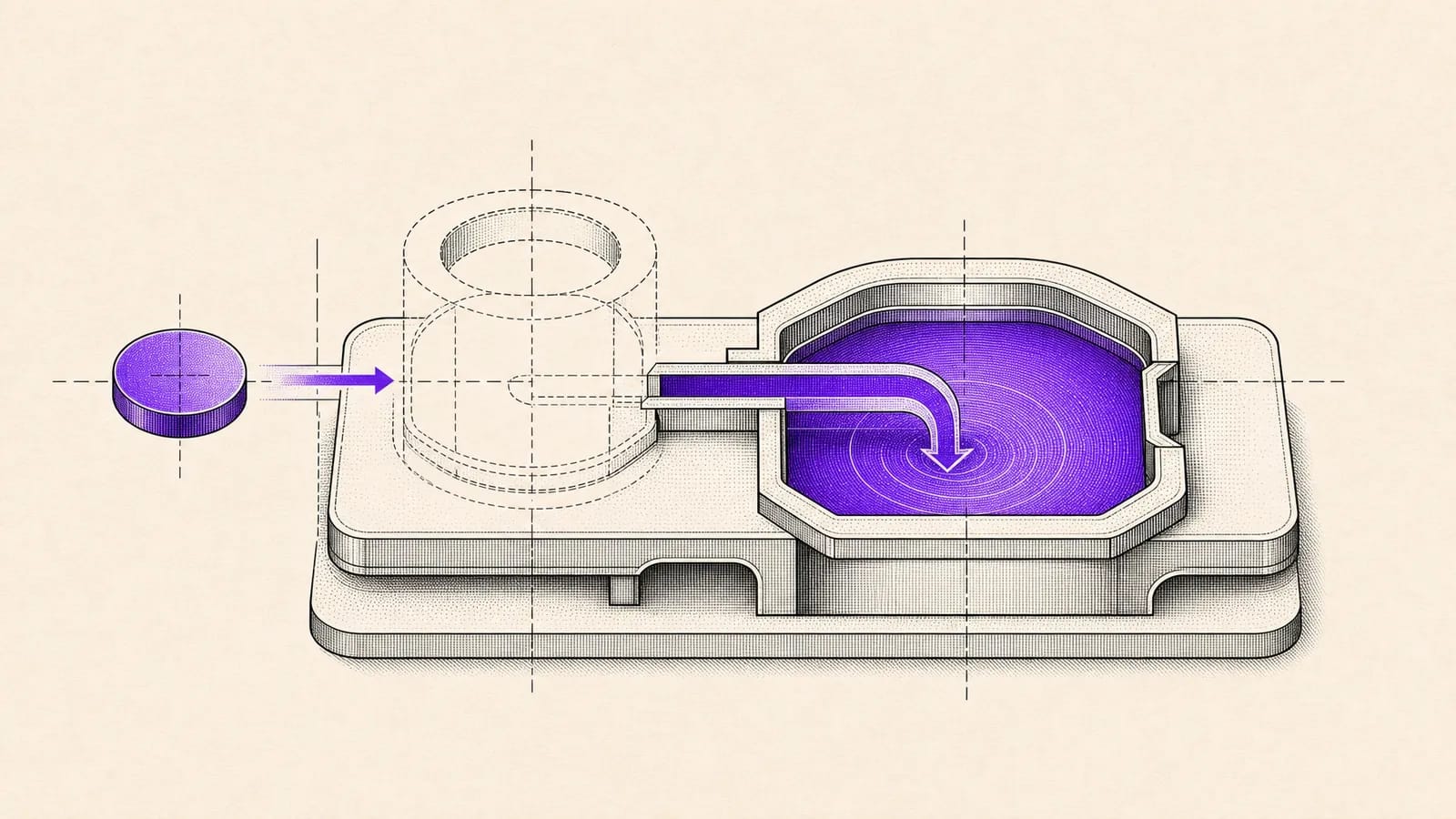
Staking exists on proof-of-stake chains such as Ethereum and Solana: validators lock up coins as collateral and the protocol pays them newly created coins and fees. The XRP Ledger works differently.
- Validators agree on each new ledger through the XRP Ledger Consensus Protocol, roughly every 3 to 5 seconds. They lock up no XRP and the protocol pays them nothing.
- No new XRP is ever created. All 100 billion XRP existed when the ledger launched in 2012, so there is no inflation to hand out as rewards.
- Transaction fees are not paid to anyone. They are destroyed, which slowly reduces the total supply.
With no reward to distribute, there is nothing to stake. Any product called “XRP staking” earns its yield somewhere else, so the first question to ask is always: where does this money come from?
5 ways to earn yield on XRP
Each option below pays from a different source. That source decides the risk you take on top of the price risk of XRP itself.
| Method | Yield source | Main risk | Self-custody |
|---|---|---|---|
| XRPL AMM liquidity | Trading fees on swaps through the pool | Impermanent loss | Yes |
| AMM liquidity plus XPM farming | Trading fees plus XPM rewards | Impermanent loss, XPM price | Yes |
| Order book market making | The spread between your buy and sell offers | Price moves against your open offers | Yes |
| Exchange earn programs | The exchange lends your XRP to borrowers | Insolvency or frozen withdrawals | No |
| Wrapped XRP on other chains | Lending and liquidity in that chain’s DeFi | Bridge and smart contract failures | No, you hold a wrapped token |
The first three happen on the XRP Ledger itself: you keep your own keys and can withdraw at any time. The last two hand your XRP, or a claim on it, to someone else.
How XRPL AMM yield works
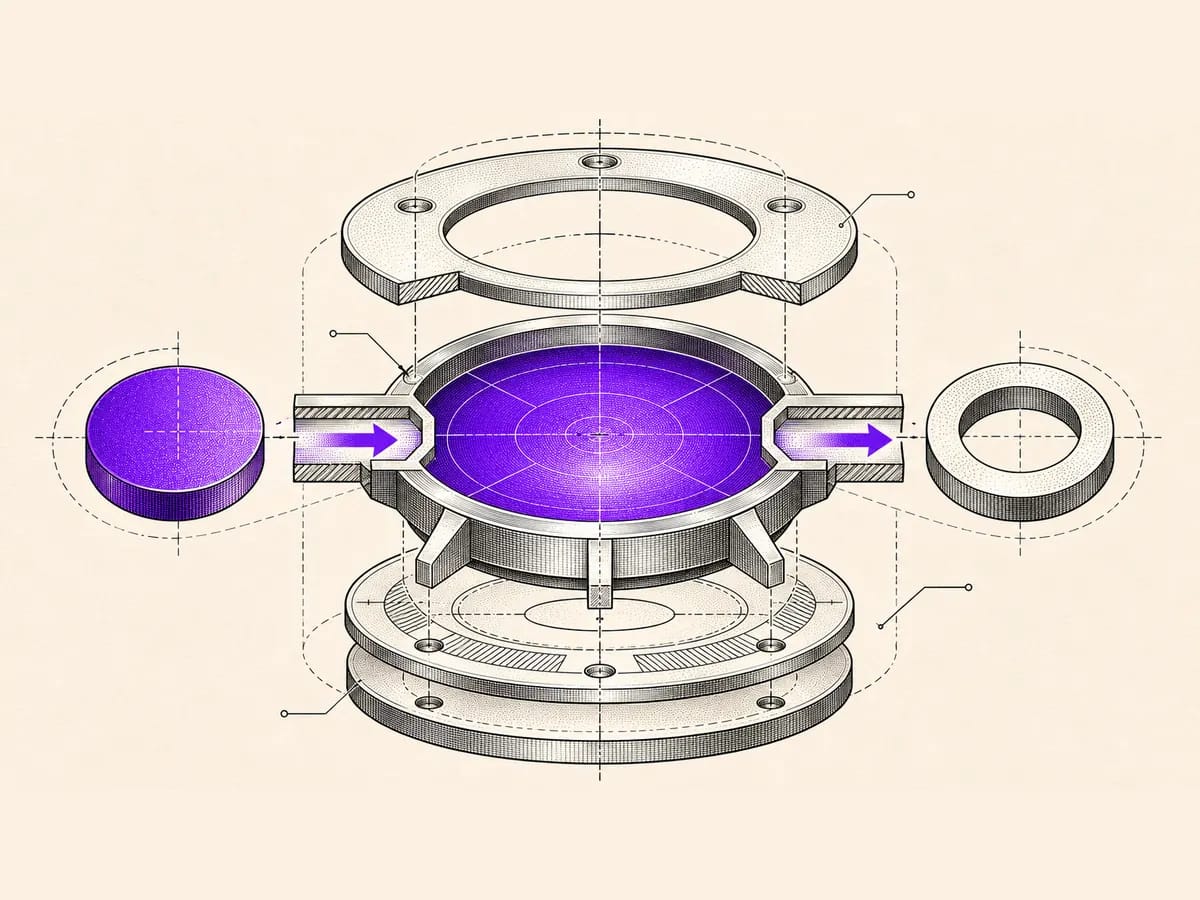
The XRP Ledger has an automated market maker (AMM) built into the protocol. Each pool holds two assets, for example XRP and RLUSD, and anyone who swaps through it pays a trading fee of up to 1%. The fee stays in the pool, so it is shared by everyone who supplied liquidity.
- You deposit both assets of a pool, or just one of them, and receive LP tokens that represent your share. A one-sided deposit effectively pays the trading fee, like a swap.
- Every swap adds its fee to the pool, so each LP token is backed by slightly more assets over time.
- You can withdraw at any time by returning your LP tokens. There is no lock-up period.
Because the AMM is part of the ledger rather than a separate smart contract, there is no third-party contract code to be exploited. A pool’s fee APR depends on how much trading volume it attracts compared with its size; the table below shows the largest pools right now. For a full walkthrough, see the liquidity pool guide or browse every XRPL AMM pool.
Adding XPM farming on top
On XPMarket, liquidity in eligible pools can also earn XPM through XPM farming. This is a reward paid in XPM on top of the pool’s own trading fees, so its value moves with the XPM price.
Impermanent loss: the main risk of AMM yield
A pool keeps its two assets in balance by value. When one price rises, traders buy that asset out of the pool, so you end up holding less of the winner and more of the other asset than if you had simply held both.
| Example: XRP doubles | Held in a wallet | In the pool |
|---|---|---|
| Start: 250 XRP at $2 plus 500 RLUSD | $1,000 | $1,000 |
| XRP rises to $4 | $1,500 | $1,414 |
| Difference before fees | 5.7% less |
The loss is called impermanent because it disappears if the price returns to where it started. Trading fees earned in the meantime offset some or all of it. The bigger the price swing, the bigger the loss, which is why pools with very high APRs are often pools of volatile tokens.
Exchange earn programs and wrapped XRP
Exchange earn programs
Some exchanges pay interest on XRP deposits and call it staking or earn. They lend your XRP to borrowers and share part of the interest. It is the simplest option, but the exchange holds your XRP: if it fails or freezes withdrawals, as the lender Celsius did in 2022, depositors can lose access to their coins.
Wrapped XRP on other chains
Networks such as Flare let you lock XRP and receive a token that represents it, like FXRP, which you can then lend or pool in that network’s DeFi apps. Yields can be higher, but you now depend on the bridge that holds the real XRP and on every smart contract you use. Tokens marketed as liquid-staked XRP add yet another layer on top.
Checklist before you chase a yield
- Where does the yield come from: fees, interest or token rewards?
- Which token pays it? A reward in a volatile token is worth what that token is worth.
- Can you withdraw at any time, and are there lock-ups or fees to exit?
- Who holds the keys to your XRP: you, an exchange or a bridge?
- What happens to your position if XRP halves or doubles?
If you plan to hold tokens other than XRP along the way, read what a trustline is first.
Next step · AMM pools
Compare pools before you deposit.
Every XRPL AMM pool with its liquidity and fee APR.
Frequently asked questions
Is XRP staking possible?
Not natively. The XRP Ledger uses a consensus protocol in which validators lock up no XRP and earn no reward, so there is no staking reward to collect. Anything labelled XRP staking is lending, liquidity provision or a wrapped token on another chain.
Can I earn yield on XRP without selling it?
Yes. You can deposit XRP into an XRPL AMM pool and earn a share of its trading fees, use an exchange earn program, or bridge XRP to a network such as Flare. You keep exposure to XRP, but each route has its own risk: impermanent loss, custody risk or bridge risk.
How much yield does an XRP AMM pool pay?
It depends on trading volume relative to the size of the pool, so it changes every day. The table on this page shows the current fee APR of the largest pools. Double-digit APRs usually come from small or volatile pools, where impermanent loss is also larger.
Is providing liquidity on the XRPL AMM safe?
The AMM is built into the XRP Ledger itself, so there is no third-party smart contract to exploit. You still carry impermanent loss when the two prices move apart, and the price risk of both assets in the pool.
Do I pay tax on XRP yield?
In many countries yield is taxed as income when you receive it, and withdrawing from a pool can count as a disposal. The rules differ by country, so check with a local tax adviser.
Sources
Links to XPMarket lead to XPMarket's own products. XPMarket is non-custodial: you sign every transaction in your own wallet. This guide is educational and is not financial advice.