What is the XRP Ledger?
The XRP Ledger (XRPL) is a public, open-source blockchain that has run since 2012. Independent validators confirm a new set of transactions every 3 to 5 seconds without mining or staking, and XRP is its native currency. Its exchange, AMM pools, tokens and NFTs are part of the ledger software, not smart contracts.
By Rho Black · · 4 min read
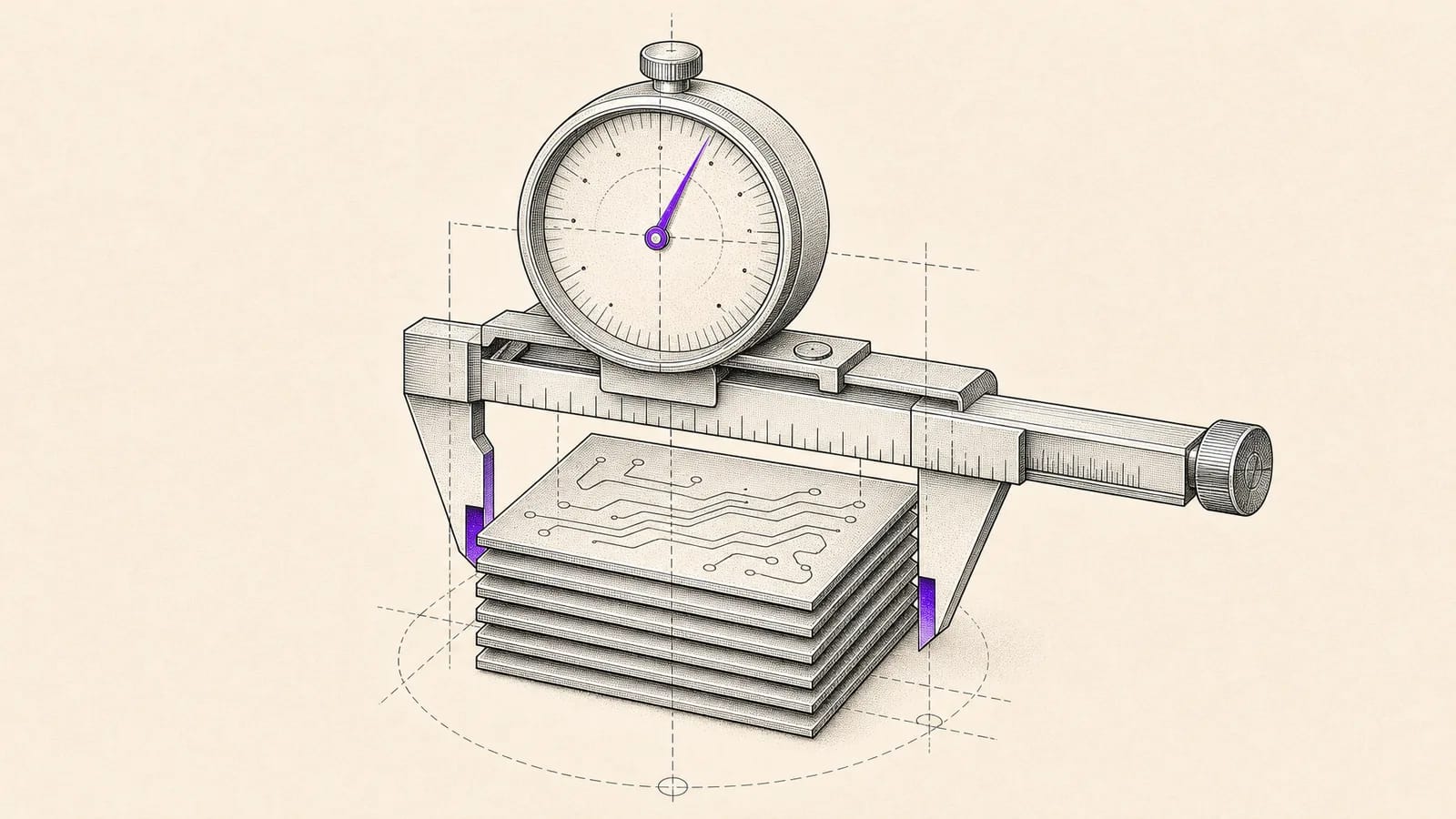
What the XRP Ledger is
The XRP Ledger, or XRPL, is a public blockchain: a shared record of accounts and balances that independent servers around the world keep in sync. Its code is open source, anyone can run a server, and it has run since 2012, with only brief pauses, such as about 10 minutes on 25 November 2024, when no funds were lost.
XRP is the ledger’s own currency. All 100 billion XRP were created when the ledger started; there is no mining and no new XRP. Every account needs a little XRP to exist, and every transaction destroys a tiny amount of it as a fee.
XRP Ledger, XRP and Ripple are three different things
| Name | What it is |
|---|---|
| XRP Ledger | The network and its software, run by independent servers |
| XRP | The network’s native currency |
| Ripple | A company that builds payment products on the ledger and holds a large amount of XRP |
In September 2012 the ledger’s creators gave 80 billion XRP to the company that became Ripple. Ripple later locked most of its XRP in escrow on the ledger and releases it month by month. Ripple runs some validators, but it cannot change the rules on its own or move anyone else’s XRP. See how XRP is distributed across wallets for who holds it today.
How transactions are confirmed
The XRP Ledger does not use proof of work or proof of stake. Instead, servers called validators propose which transactions go into the next ledger version, the next page of the shared record. Each server keeps a list of validators it trusts not to collude, its Unique Node List, and most use a recommended list published by the XRPL Foundation or Ripple. A new ledger version is confirmed when at least 80% of the trusted validators agree on it.
- A new ledger version closes about every 3 to 5 seconds.
- Once the ledger with your transaction is validated, it is final. Nothing can reverse it afterwards.
- On 12 November 2026 the recommended list had 35 validators, and 28 of them had to agree to confirm a ledger.
Validators are not picked by how much XRP they hold and earn no rewards, so there is nothing to stake XRP in. See can you stake XRP for what the “XRP staking” products some platforms sell really are.
Fees and reserves
- The standard fee is 0.00001 XRP per transaction. It rises when the network is busy, and it is destroyed, not paid to anyone, so the total supply of XRP shrinks a little every day.
- Every account must hold a reserve it cannot spend: 1 XRP for the account itself, plus 0.2 XRP for each object it owns, such as a trustline, an open order or an escrow.
- A new address only exists on the ledger once someone sends it at least 1 XRP. XRP you keep on an exchange sits in the exchange’s account, not one of your own.
Holding any token other than XRP takes a trustline, which is where most people first meet the 0.2 XRP reserve. What is a trustline? explains how to set and remove one.
What is built into the ledger
Where most blockchains add features through smart contracts, programs anyone can upload to the chain, the XRP Ledger builds them into its server software, so every wallet and app uses the same version:
| Feature | What it does | Live since |
|---|---|---|
| Decentralized exchange (DEX) | Order books for XRP and any token, traded from your own wallet | 2012 |
| Tokens | Any account can issue its own token, from stablecoins to meme coins | 2012 |
| Escrow and payment channels | Lock XRP, or tokens since February 2026, until a date or condition; stream many small XRP payments | March 2017 |
| Checks | Payments the recipient cashes later | June 2020 |
| NFTs | Mint, buy and sell NFTs natively | October 2022 |
| AMM pools | Shared pools of two assets that price swaps automatically; anyone can trade against them or deposit | March 2024 |
| Multi-Purpose Tokens | A newer token type with rules the issuer sets | October 2025 |
| Permissioned DEX | Order books open only to accounts with an approved credential | February 2026 |
| Batch transactions | Up to eight transactions signed and submitted as one | October 2026 |
For how these fit together for trading and earning, read what DeFi on the XRP Ledger is.
How the ledger changes
New features arrive as amendments. An amendment goes live only after more than 80% of trusted validators have supported it for two weeks, and from then on every server must run it. Changes are slow but predictable, since every new feature is public for at least two weeks before it switches on.
The mainnet has no general smart contracts, and lending is still a proposal. Contract-based apps that use XRP run on separate networks, such as the XRPL EVM Sidechain, live since June 2025.
Follow the ledger on XPMarket
- Token statistics: volume, market cap, holders and new tokens across the ledger.
- NFT statistics: sales, volume and the most traded collections.
- AMM pools: every pool with its liquidity, volume and fee APR.
Next step · XRPL statistics
See what is moving on the ledger.
XRPL analytics: tokens, NFTs and AMM pools.
Frequently asked questions
What is the XRP Ledger used for?
Sending XRP and tokens, trading on its built-in exchange and AMM pools, issuing tokens such as stablecoins and meme coins, and minting and trading NFTs. All of it settles in seconds for a fraction of a cent.
Is the XRP Ledger the same as Ripple?
No. The XRP Ledger is the network, XRP is its currency, and Ripple is a company that builds products on the ledger and holds a large amount of XRP. Ripple runs some validators but cannot change the ledger’s rules on its own.
How fast is the XRP Ledger?
A new ledger version closes about every 3 to 5 seconds, and a transaction is final once its ledger is validated. Nothing can reverse it afterwards.
Does the XRP Ledger have smart contracts?
Not general ones. Features such as the exchange, AMM pools and escrow are built into the ledger instead. Contract-based apps that use XRP run on separate networks such as the XRPL EVM Sidechain.
Who runs the XRP Ledger?
Anyone can run a server. Validators run by companies, universities and individuals confirm each ledger, and a ledger is final when at least 80% of the validators a server trusts agree on it.
How much does an XRP Ledger transaction cost?
Normally 0.00001 XRP, more when the network is busy. The fee is destroyed rather than paid to anyone.
Sources
- XRPL.org: What is the XRP Ledger?
- XRPL.org: What is XRP?
- XRPL.org: Consensus Protocol
- XRPL.org: Unique Node List
- XRPL.org: Ledger Close Times
- XRPL.org: Transaction Cost
- XRPL.org: Reserves
- XRPL.org: Amendments
- XRPScan: Amendments
Links to XPMarket lead to XPMarket's own products. XPMarket is non-custodial: you sign every transaction in your own wallet. This guide is educational and is not financial advice.
Read next
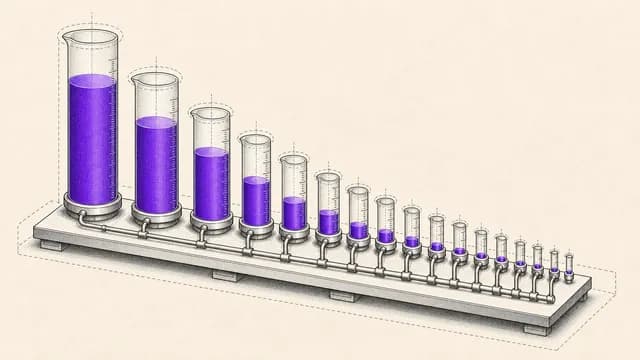
How is XRP distributed across wallets?
The XRP rich list explained: how 100 billion XRP is split between accounts, escrow and burned fees, balance bands and the top 1% threshold.
5 min read · Updated Nov 23, 2026
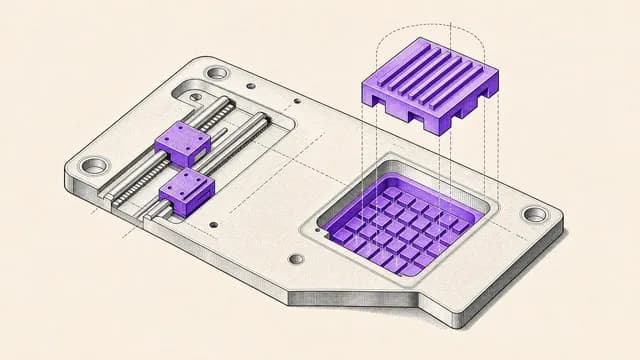
What is DeFi on the XRP Ledger?
What DeFi on the XRP Ledger is: a built-in exchange, AMM pools, escrow, checks and payment channels, what is live today, what is still missing and the risks.
4 min read · Updated Nov 23, 2026